
EU Approves Package of Measures to Simplify Defense Procedures Amid Threats
The agreement seeks to overcome the ‘bureaucratic paralysis’ and simplify the purchase and transfer of defense products between member states.
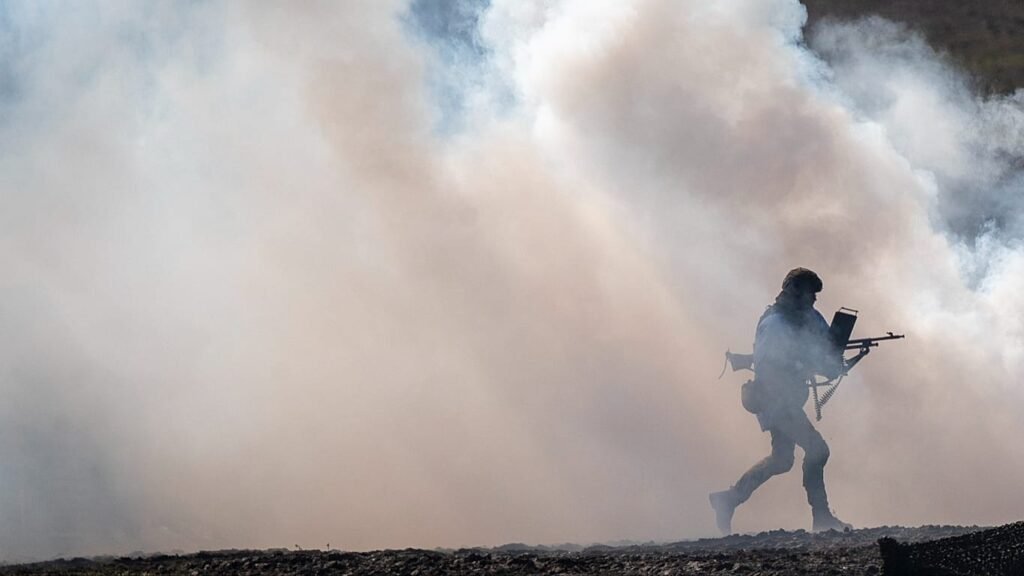
The agreement seeks to overcome the ‘bureaucratic paralysis’ and simplify the purchase and transfer of defense products between member states.
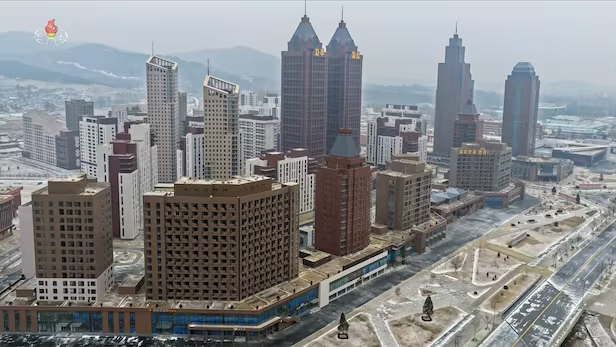
North Korea’s economy has shown 3.7% growth, the highest in eight years, despite international sanctions.
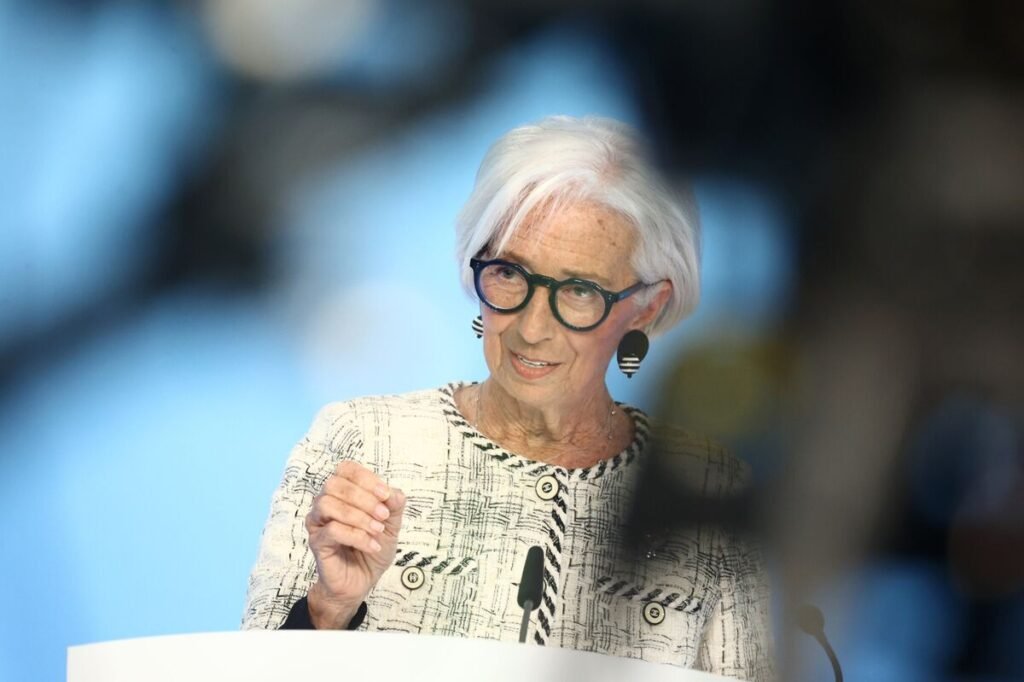
ECB President Christine Lagarde urged Europe to reduce reliance on fossil fuels and energy imports, citing rising prices and climate risks. She noted the green transition has lost momentum.
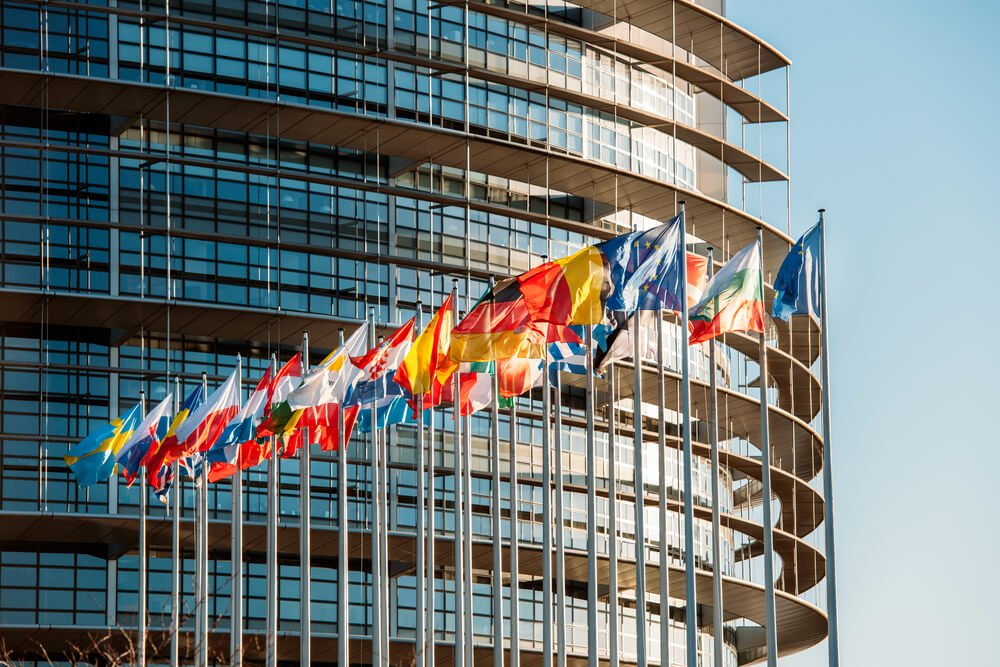
EU member states are divided over harmonized capital market supervision, threatening delays in competitiveness. Brussels pushes for integration to reduce reliance on the US and China.
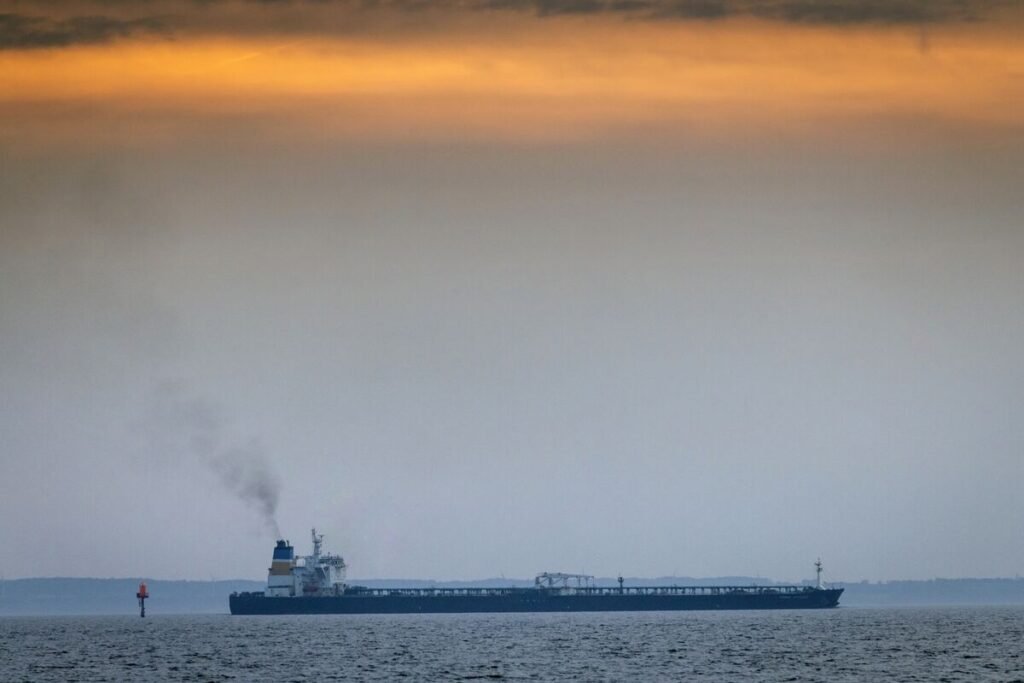
Russia’s oil export value has reached its highest level since February 2022, averaging $2.42 billion weekly, driven by increased volumes and prices.
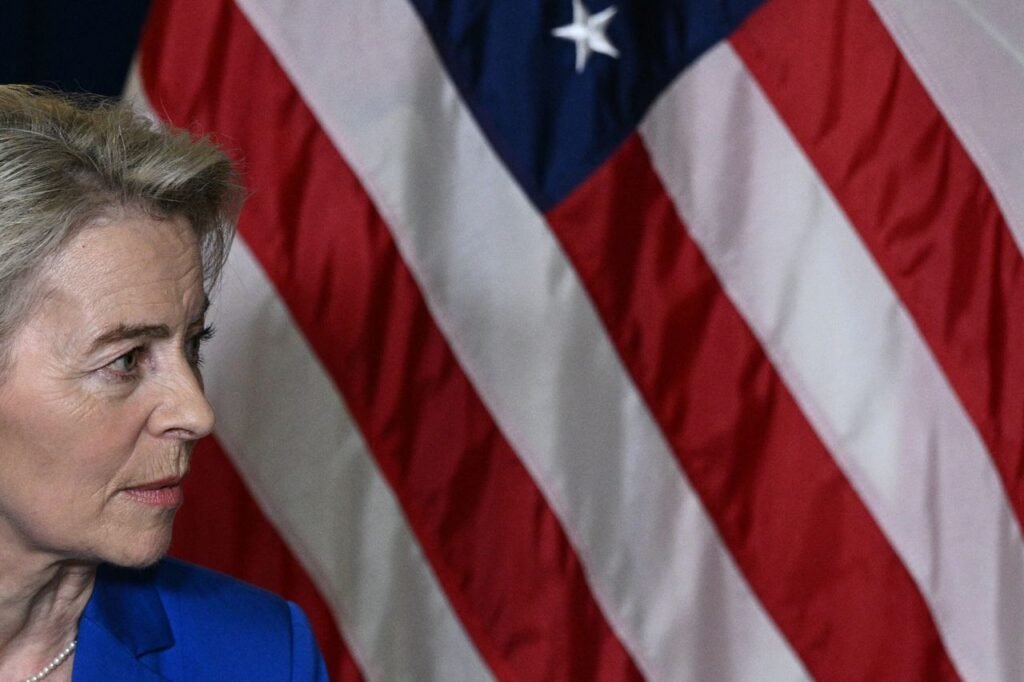
European Commission President Ursula von der Leyen dismissed Donald Trump’s threat of 25% tariffs on EU cars, urging adherence to trade agreements. EU leaders backed her stance.
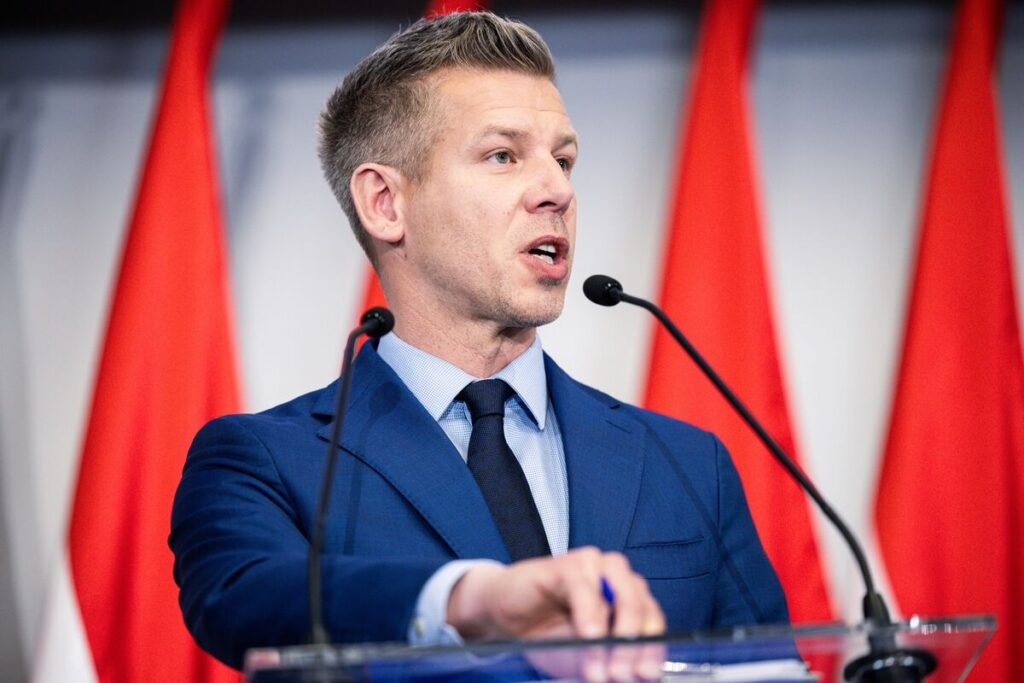
Hungary’s new PM Peter Magyar accuses predecessor Viktor Orban of excessive spending, risking this year’s budget deficit targets. He pledges fiscal discipline.
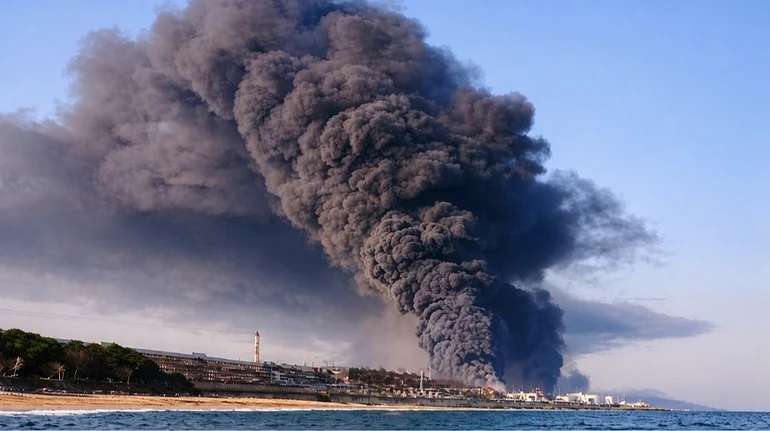
Ukraine has launched over 20 strikes on Russian oil infrastructure this year, causing an estimated $7 billion in losses. These attacks have impacted export revenues and production.
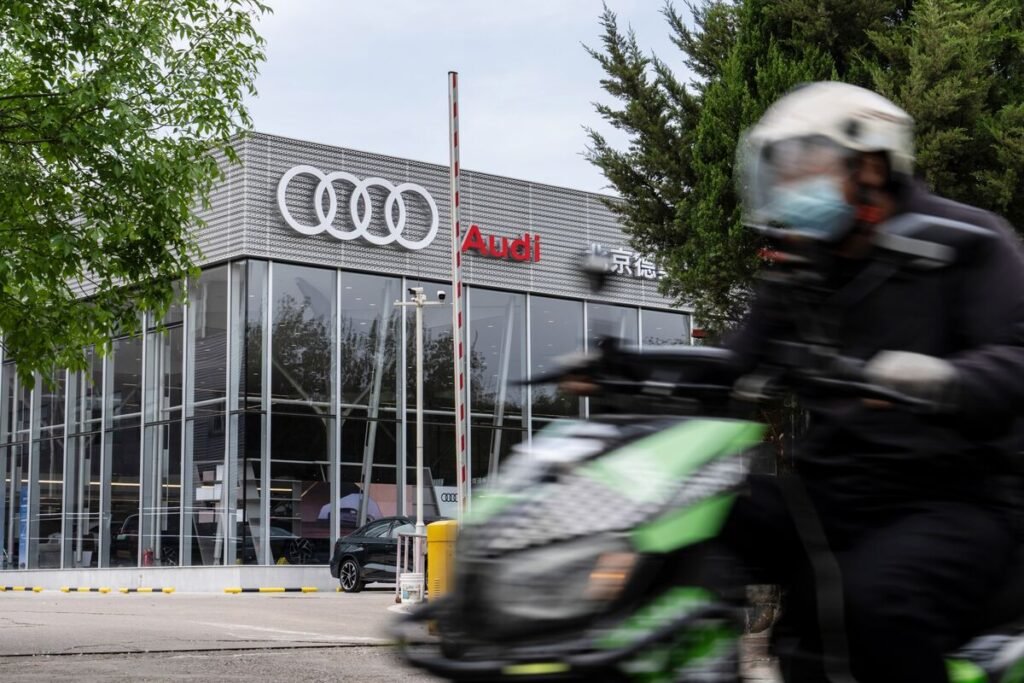
Audi warns that potential U.S. tariffs on European cars could significantly impact its financial performance. The automaker is also facing declining sales in China.
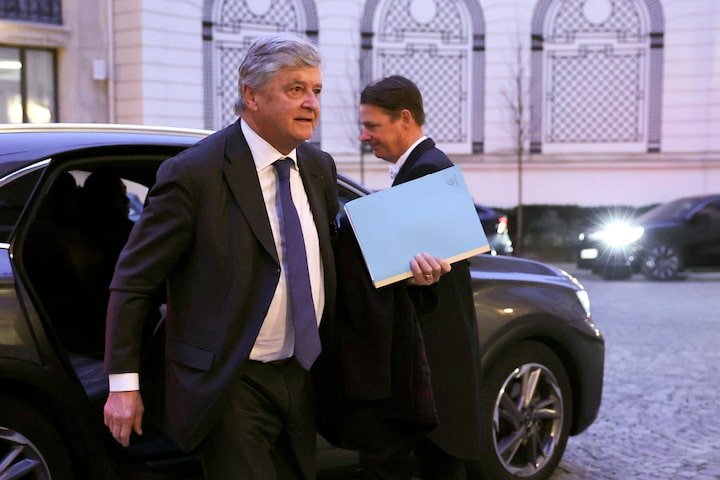
French Trade Minister Nicolas Forissier stated the EU has tools to respond to US threats on strategic industries like steel and autos. This comes after President Trump announced potential tariffs.